
Along with the surge of people working from home or in hybrid situations over the last few years, there has also been an increase in employers looking for ways to monitor their employees’ work activities to ensure they actually ARE working when remote.
This is no surprise given the new “quiet quitting” trend that has now evolved into “Bare Minimum Mondays” and “Try Less Tuesdays.” Sadly, some employees are taking advantage of working remotely as a way of working less.
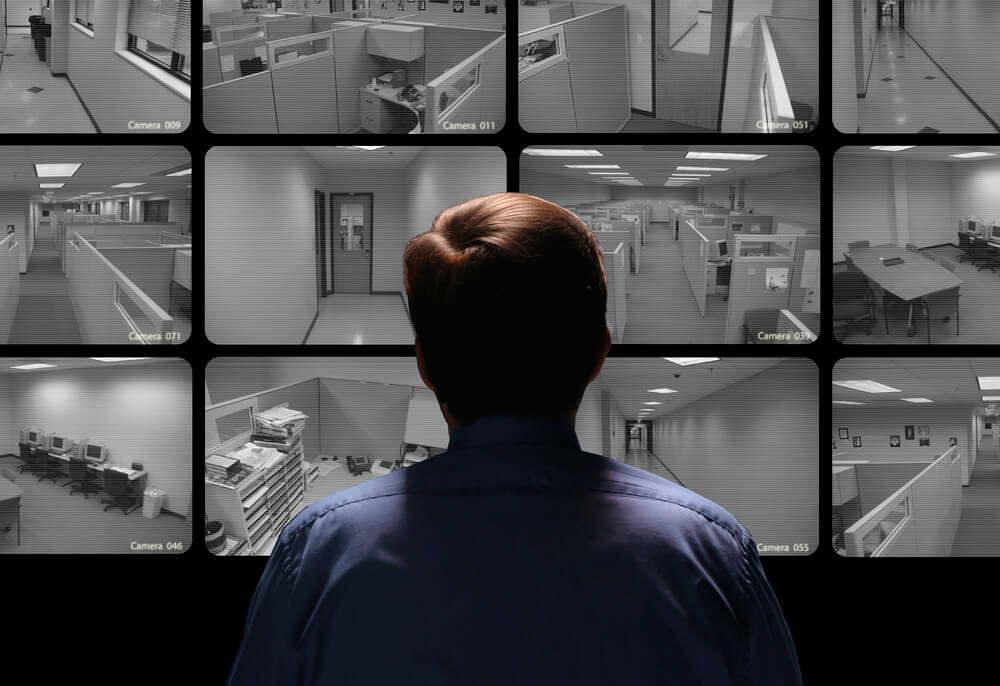
Of course, not all remote employees are slackers – but how can an employer know the difference? That’s where tools like Teramind and ActivTrak come into play. These are software tools that can be installed on employees’ workstations and laptops to monitor their activity, both while in the office and remote.
Not only will these tools provide insights into productivity and where employees are spending their time, an employer can also see when someone checks in to work and leaves for the day. These apps can also help in ensuring employees aren’t surfing inappropriate websites during work hours using company resources.
While many people are against monitoring, it’s perfectly legal in the US, provided this is for work-related activities on workplace devices. Monitoring laws do vary by state, so you should always check with an HR attorney on any employee-related monitoring. While there is no requirement to gain consent on a federal level, some states require that you establish consent before monitoring.
It’s also legal to monitor company-owned devices outside of work hours, including Internet traffic, search terms, websites visited, GPS geolocation and content viewed, to name a few things. If you issue your employees’ phones, you are legally allowed to monitor them as well. It’s even legal to monitor your employees’ own personal devices if you have a BYOD (bring your own device) to work, provided those devices are used for work purposes.
If you are thinking of rolling out employee-monitoring software, here are a few recommendations.
- Let your employees know you WILL be monitoring them, and how, before rolling out any monitoring activities. Being totally transparent about what you are monitoring and why is important to establishing and maintaining trust with your employees. Most people would be very upset to discover you were monitoring them without their knowledge. While it’s legally your right (in most states) to monitor without letting them know, we feel it’s best to be open about this so they understand what’s being recorded.
- Put in writing what is and isn’t allowed during work hours and on company-owned assets. If you don’t want employees visiting what you deem as inappropriate websites and mixing personal activities with work activities on company-owned devices, let them know that. If they work from home, set guidelines such as start and end times for work and how long and how frequently they can take breaks, detailing when they need to be available (at work).
No one likes getting a speeding ticket when there’s no speed limit signs posted. Be absolutely clear on your expectations and put them in writing so there’s no risk of “You never told me that…” happening.
- Get legal advice before implementing any kind of monitoring software, cameras or activities. Laws can change – and with privacy of data becoming more critical (and a legal hot potato), we suggest you work with an HR attorney to make sure you’re not violating anyone’s rights. Recently, the fast-food restaurant White Castle was hit with a lawsuit that could cost them up to $17 billion for using fingerprint login software for their employees to access certain systems.
The lawsuit claims they violated Illinois’s biometric identification laws by asking employees to use their fingerprint as a secure way of logging in to their systems without first gaining consent.
So, while it’s legal to monitor employees, you still need to be mindful of employment laws and data and privacy protection of the employees you monitor.
Need help implementing a more secure and productive remote workplace? Click here to schedule a quick call to discuss your options and to get ideas on how we can help you and your entire team be productive and safe, no matter where or how you choose to work.